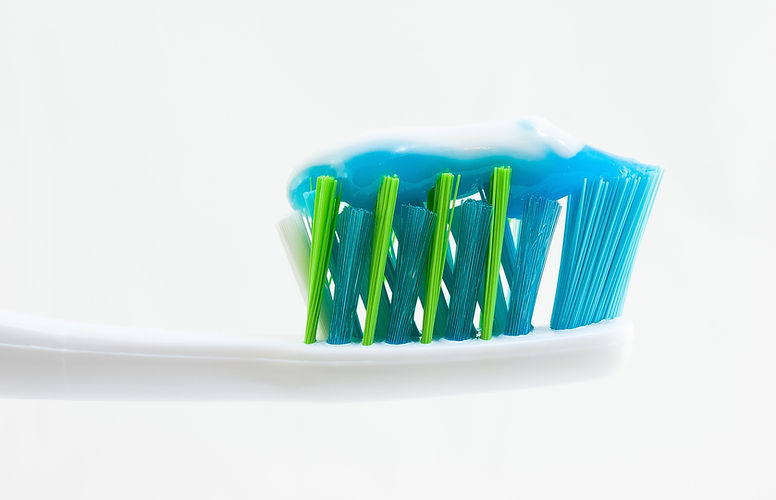
Cómo cepillarse los dientes correctamente
My dentist in Bakersfield CA, recommends that I brush my teeth regularly to maintain good oral health and prevent cavities. Brushing your teeth regularly is essential because it helps remove plaque, a sticky film of bacteria that forms on teeth. If not removed, plaque can lead to tooth decay (cavities), gum disease, and other oral health problems. Maintaining good oral hygiene through consistent brushing also keeps your breath fresh and preserves the overall health of your mouth, which can have positive effects on your general health.
How to Brush Your Teeth Properly
1. Gather Your Supplies
-
Use a soft-bristled toothbrush.
-
Fluoride toothpaste.
-
Dental floss (optional but recommended).
-
Mouthwash (optional).
2. Prepare Your Toothbrush
-
Wet the toothbrush with water.
-
Apply a pea-sized amount of fluoride toothpaste.
3. Position the Toothbrush
-
Hold the toothbrush at a 45-degree angle to your gums.
4. Brush Gently
-
Use gentle, circular motions.
-
Brush the outer surfaces of your teeth, making sure to cover all areas.
-
Move to the inner surfaces of your teeth and do the same.
-
Clean the chewing surfaces with a back-and-forth motion.
5. Brush for Enough Time
-
Spend at least two minutes brushing your teeth.
6. Brush Your Tongue and Roof of Mouth
-
Gently brush your tongue and the roof of your mouth to remove bacteria and freshen breath.
7. Rinse
-
Spit out the toothpaste.
-
Rinse your mouth thoroughly with water or mouthwash.
8. Clean Your Toothbrush
-
Rinse the toothbrush thoroughly.
-
Store it upright to air dry.
Additional Tips
-
Brush at least twice a day, especially after meals.
-
Replace your toothbrush every 3-4 months or sooner if the bristles are frayed.
-
Visit My Dentist in Bakersfield regularly for professional cleanings and check-ups.
If you need personalized advice or demonstrations, feel free to ask your dentist during your next visit!
Odontología general
-
Selladores
-
Barniz de flúor
-
Enfermedad de las encías
-
Protector nocturno
-
Detección de cáncer oral
-
Restauraciones compuestas orales (empastes)
-
Puentes dentales
-
Incrustaciones (inlays)
-
Incrustaciones (onlays)
-
Coronas
-
Endodoncias (tratamientos de conducto)
-
Extracciones
-
Extracciones de muelas del juicio
-
Odontología láser
-
Imágenes intraorales
-
Radiografías digitales
-
Impresiones digitales
-
Tomografía digital (CT)
-
Terapia para la apnea del sueño
Odontología estética
-
Mejoras estéticas
-
Adhesión dental (bonding)
-
Carillas estéticas
-
Blanqueamiento dental
Implantología dental
-
Implantes dentales
Ortodoncia
-
Invisalign
Dentista de urgencias
Cuidado preventivo
-
Cómo cepillarse los dientes
-
Evitar el tabaco
-
Cómo usar el hilo dental
-
Dieta equilibrada